discussing the role of oceans in buffering climate change by absorbing CO2 and heat, as mentioned in the UNEP Foresight Brief. Also, discuss the limitations of this buffering capacity and the implications for atmospheric CO2 removal strategies. explainedDiscussing the...
Why Techniques to move water efficiently in North Dakota – Around 19.5 inches (495 mm) per year.?What’s the best source for Techniques to move water efficiently?North Dakota’s Water Wisdom: Caring for Our Future North Dakota is taking smart steps to make...
Why Utah – Approximately 12.2 inches (310 mm) per year. for Effective climate rescue strategies?Effective climate rescue strategies near Utah – Approximately 12.2 inches (310 mm) per yearUnraveling the Mystery: Can the Active Climate Rescue Initiative Save...
Climate Rescue and Conservation and Great Salt Lake explainedGreat Salt Lake, and moreFighting Climate Change: Get Involved! The Active Climate Rescue Initiative (ACRI) is a bunch of cool people – scientists, engineers, and activists – who are tackling the...
Why Great Basin climate and agriculture in Utah – Approximately 12.2 inches (310 mm) per year.?Found it! Great Basin climate and agriculture in Utah – Approximately 12.2 inches (310 mm) per yearQ&A about the Active Climate Rescue Initiative (ACRI) and Lake Mead Q:...



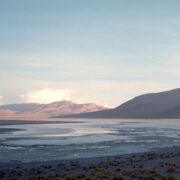
 Great Basin - Water Cycle Wisdom
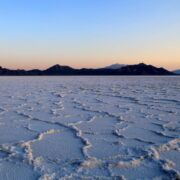 Great Salt Lake - Water Cycle Wisdom
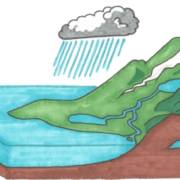 Water Cycle Wisdom