examining the impact of land-use change on evapotranspiration and precipitation patterns, citing the UNEP Foresight Brief and other relevant research. in Wyoming – Around 15.9 inches (404 mm) per year.Examining the impact of land-use change on evapotranspiration and...
discussing the role of oceans in buffering climate change by absorbing CO2 and heat, as mentioned in the UNEP Foresight Brief. Also, discuss the limitations of this buffering capacity and the implications for atmospheric CO2 removal strategies. in Utah – Approximately...
Why Arizona – About 13.6 inches (345 mm) per year. for Impact of water diversion on Great Salt Lake levels and Hydrologic Cycle?Where can you get the best Hydrologic Cycle?Great Salt Lake in Peril: Questions for Action The Active Climate Rescue Initiative...
Move water to arid regions near New Mexico – Roughly 14.5 inches (368 mm) per year.Rain Shadow Effect, and moreTackling Aridity: The Active Climate Rescue Initiative The Problem: Arid regions, like New Mexico, face severe water scarcity. This lack of water poses a...
Why Community involvement in watershed conservation in South Dakota – Approximately 19.6 inches (498 mm) per year.?Wildfire, and more…South Dakotans Urged to Protect Precious Watersheds: Every Action Counts Pierre, SD – The health of South Dakota’s...


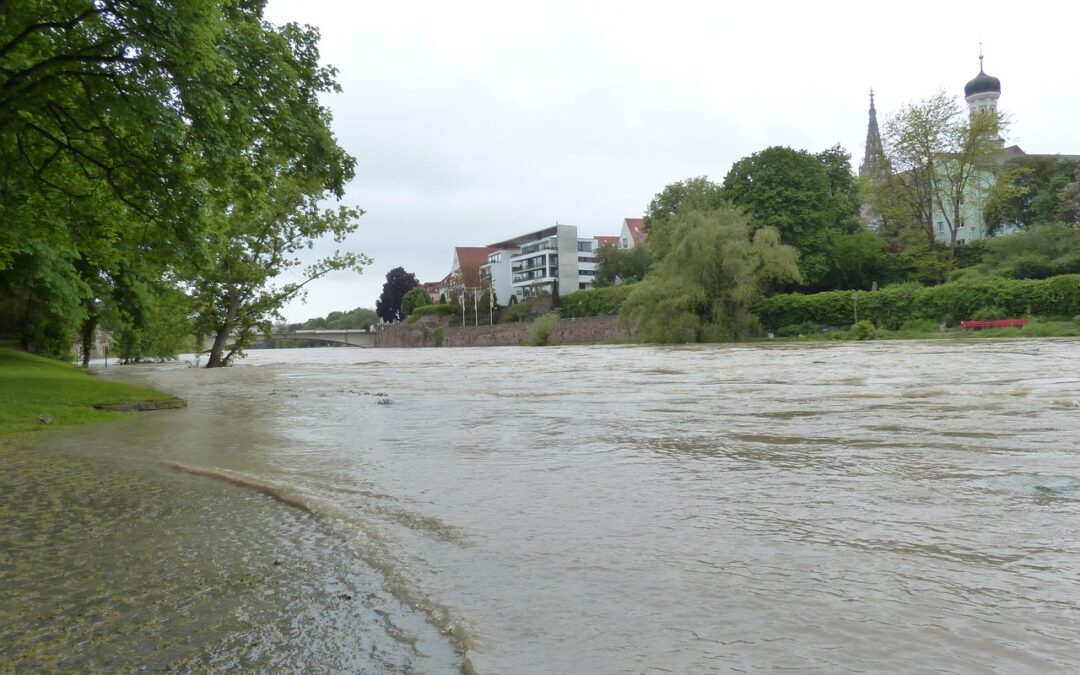

 Great Basin - Water Cycle Wisdom
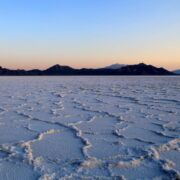 Great Salt Lake - Water Cycle Wisdom
 Water Cycle Wisdom